Home Remodeling
The Ultimate Guide to Planning a Whole-Home Remodel in Los Angeles
May 20, 2026
Last updated September 23, 2026
Planning a whole-home remodel in Los Angeles is one of the most rewarding journeys a homeowner can embark on. A complete renovation allows you to customize your living space to your exact lifestyle, improve energy efficiency, and significantly boost your property value. However, transforming a house from top to bottom requires careful planning, a clear understanding of local building requirements, and the right team. As a CSLB-licensed contractor (License #979219) remodeling homes since 2012, Master in Design has guided many families through this process in Tarzana, Encino, and the greater Los Angeles area.
Step 1: Assess and Define Your Goals
Before you draw a single line or select a tile, you need to define your goals. Are you looking to create an open-concept layout, add more bedrooms for a growing family, or simply upgrade outdated finishes? Start by making a list of “must-haves” versus “nice-to-haves.” This distinction will be invaluable when matching your design dreams with a realistic budget.
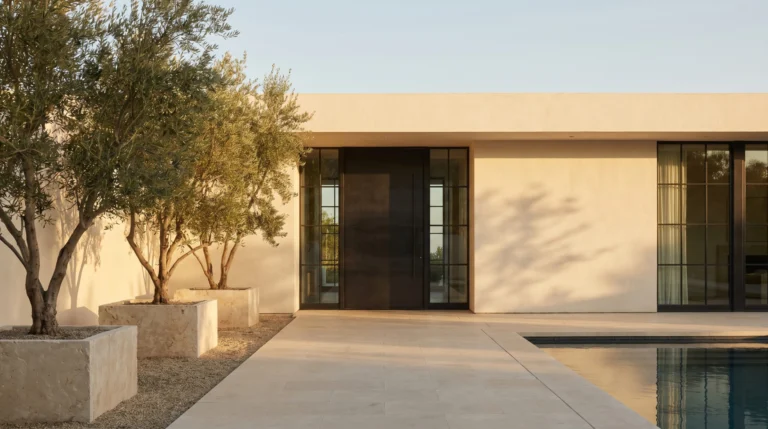
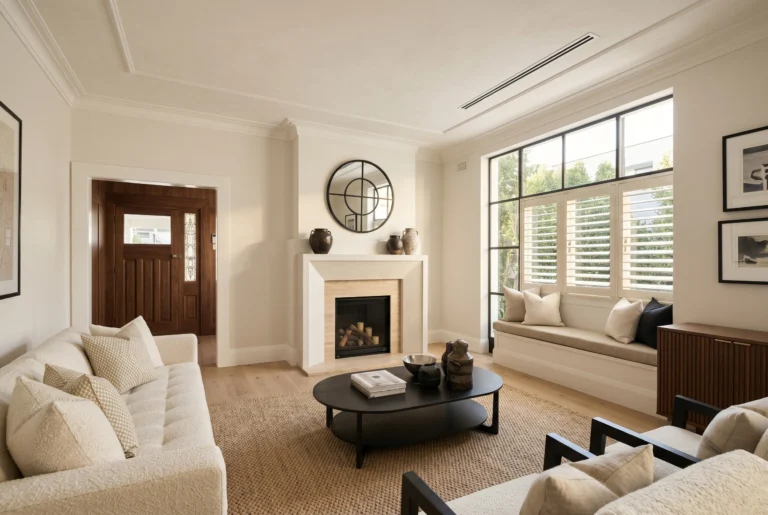
Consider how you use your home daily, inside and from the street. A whole-home plan is the cheapest time to change the street elevation, because siding, the entry and the garage doors are all part of a front facade remodel that shares the same scaffolding and crew. Many older homes in the San Fernando Valley feature compartmentalized floor plans. Opening up walls between the kitchen, dining, and living spaces is a popular way to encourage natural light and improve the flow. Identifying these structural changes early will shape your structural engineering and architectural needs.
Step 2: Understand the Permitting Process in Los Angeles
A whole-home remodel involves structural, electrical, plumbing, and mechanical updates, all of which require permits from the Los Angeles Department of Building and Safety (LADBS). Navigating the plan check process can be complex, especially with local zoning laws, setback requirements, and specific guidelines for historical preservation zones (HPOZs). If your plans add square footage, our guide to ADU options and room additions explains the permit differences.
Working with a professional design-build team ensures that all architectural plans are drafted to satisfy current California Building Standards Codes (Title 24). Here’s why the design-build remodeling process matters. This includes calculations for structural load paths, energy compliance, and fire safety. Securing the proper permits protects your investment, ensures your home’s safety, and prevents legal complications when you eventually decide to sell.
Step 3: The Design and Material Selection Phase
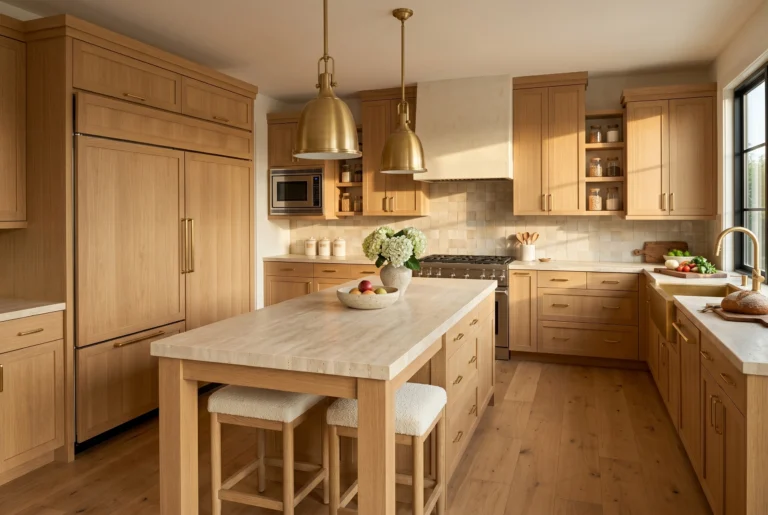
The design phase is where your vision comes to life. To achieve a cohesive, premium aesthetic, it helps to establish a consistent design token system throughout the home. At Master in Design, we favor a warm modern palette. This includes:
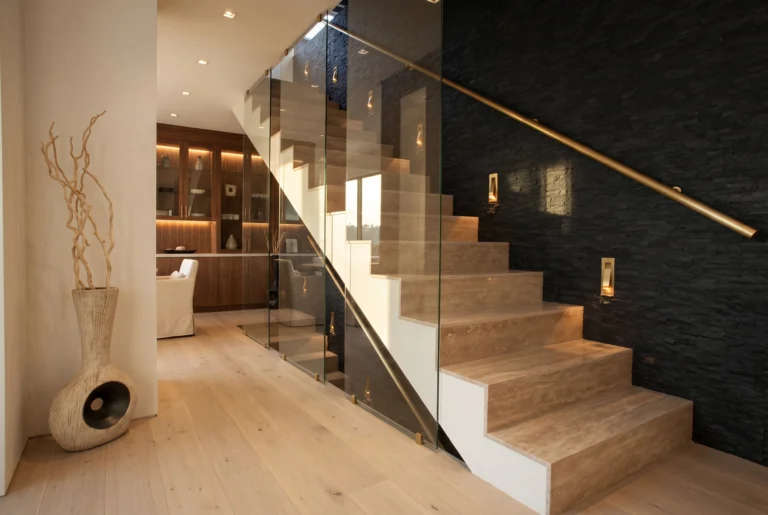
- Flooring & Cabinetry: Wide-plank rift-cut white oak or rich walnut wood tones that offer natural warmth.
- Surfaces: Honed travertine, limestone, or premium quartz countertops that combine durability with organic textures.
- Accents: Matte black or warm brushed brass hardware for a touch of refined, modern elegance.
- Walls: Smooth-coated plaster or warm white tones (#F8F5F0) that bounce light beautifully.
By selecting materials during the design phase rather than waiting until construction begins, you can ensure that lead times are accounted for, preventing costly delays down the line.
Step 4: Phasing the Construction
A whole-home remodel proceeds in a logical sequence. Understanding this timeline helps you prepare for the temporary disruption:
- Demolition and Prep: Safely clearing out walls, old fixtures, and outdated wiring/piping.
- Structural Framing: Adding support beams, framing new rooms, or modifying openings for new windows and doors, which are ordered early because lead times run long.
- Rough-Ins: Running new plumbing pipes, electrical wiring, and HVAC ducts behind the scenes.
- Drywall & Priming: Closing up the walls and preparing the surfaces.
- Finish Carpentry & Details: Installing cabinetry, laying flooring, setting tile, and mounting light fixtures.
Step 5: Budgeting and Planning for the Unexpected
One of the most important rules of whole-home remodeling is maintaining a contingency fund. For older homes in Los Angeles and across Southern California, we recommend setting aside 15% to 20% of your budget for unforeseen issues, such as dry rot, outdated framing, or ancient galvanized plumbing that must be replaced once the walls are opened. A comprehensive design-build contract outlines clear scopes of work to minimize change orders and keep the project on track.
Are you ready to discuss your home’s transformation? Contact Master in Design today to schedule a consultation and take the first step toward your dream home.
Frequently Asked Questions About Whole Home Remodels
Is $100,000 enough to renovate a house?
A $100,000 budget renovates part of a house in Los Angeles, not all of it. It covers a kitchen, or two bathrooms, or a cosmetic refresh of the whole home with flooring, paint, lighting and trim. Whole-home projects that touch structure, plumbing, electrical and HVAC generally start around $150,000 and climb past $1 million on larger homes. Phasing the work keeps a smaller budget moving.
What are the biggest home renovation mistakes?
The biggest home renovation mistakes are starting demolition without final drawings, leaving no contingency, and choosing finishes after construction begins. Each one creates change orders, which cost more than the original decision would have. Skipping permits is the most expensive of all, because it surfaces during a sale. Set aside 15 to 20 percent for what opens up behind old walls in a Valley home.
What is the most expensive part of a house to remodel?
The kitchen is the most expensive room to remodel per square foot, because it concentrates cabinetry, stone, appliances, plumbing and electrical into one space. Across a whole house, structural work costs the most overall: moving load-bearing walls, adding beams, and repairing foundations all require engineering and inspection. Systems you never see, like a full re-pipe or panel upgrade, absorb budget without changing how anything looks.
Ready to talk about your project?
Walk us through your space. No pressure. We'll get back to you in 24 hours.
Start Your Free EstimateService Areas